

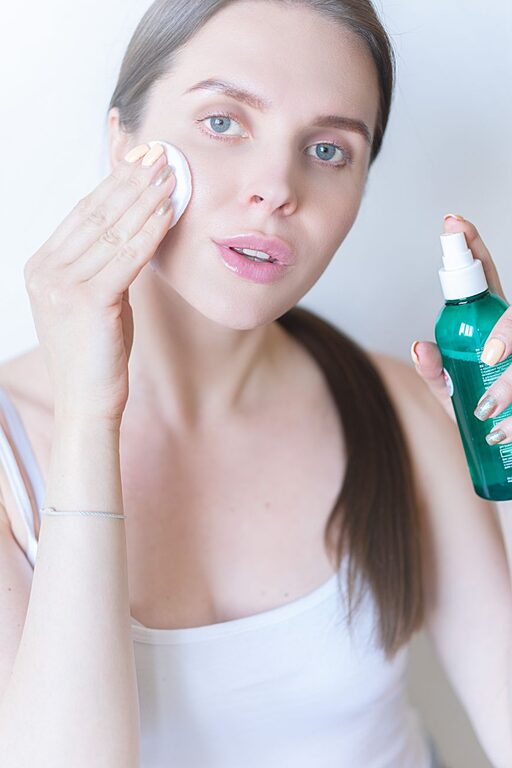
Starting a skincare routine may seem overwhelming with so many products and advice out there, but it doesn’t need to be complicated. A basic skincare routine is all about consistency and choosing the right products for your skin type. Whether you’re new to skincare or want to simplify your regimen, this guide will walk you through the essential steps to get you started on the path to healthier skin.
Why a Basic Skincare Routine Matters
Your skin is the body’s largest organ and acts as a barrier against pollutants, bacteria, and environmental damage. Taking care of your skin not only improves its appearance but also its health. A simple, consistent routine helps maintain moisture, remove impurities, and protect from damage.
Step 1: Identify Your Skin Type
Before selecting products, knowing your skin type helps you choose formulas that work best. The most common skin types are:
– Normal: Balanced, not too oily or dry.
– Dry: Feels tight, flaky, or rough.
– Oily: Shiny, prone to acne and enlarged pores.
– Combination: Oily in certain areas (usually the T-zone) and dry elsewhere.
– Sensitive: Easily irritated, red, or itchy.
You can perform a simple test by washing your face and waiting an hour. If your skin feels tight or flaky, it’s likely dry. If it looks shiny, it could be oily. For sensitive skin, look out for redness or discomfort after cleansing.
Step 2: Basic Skincare Routine Steps
A basic routine typically includes three key steps: cleansing, moisturizing, and sun protection. You can add more steps as you learn what your skin needs.
1. Cleansing
– Purpose: Removes dirt, oil, makeup, and impurities.
– Product tips: Choose a gentle cleanser suited for your skin type.
– How to use: Wash your face twice daily (morning and night) with lukewarm water and your cleanser. Avoid hot water as it can strip natural oils.
Examples:
– Foaming cleansers for oily skin.
– Cream or lotion cleansers for dry or sensitive skin.
– Gentle gel cleansers suit most skin types.
2. Moisturizing
– Purpose: Hydrates skin and restores moisture barrier.
– Product tips: Pick a moisturizer appropriate for your skin type.
– How to use: Apply after cleansing while skin is still damp to lock in moisture.
Examples:
– Lightweight gels or lotions for oily or combination skin.
– Rich creams or ointments for dry skin.
– Fragrance-free options for sensitive skin help reduce irritation.
3. Sun Protection
– Purpose: Protects skin from harmful UV rays that cause premature aging and damage.
– Product tips: Use broad-spectrum sunscreen with at least SPF 30 every day.
– How to use: Apply as the last step of your morning routine and reapply every two hours when outside.
Special note: Sunscreen is important even on cloudy days or if you spend most of your time indoors near windows.
Step 3: Optional Add-Ons for Your Routine
Once you feel comfortable with the basics, you can introduce additional products gradually.
Exfoliation
– Helps remove dead skin cells and brighten skin.
– Recommended frequency: 1-2 times per week.
– Choose a gentle chemical exfoliant (like alpha hydroxy acids) or a mild physical scrub.
– Avoid over-exfoliating to prevent irritation.
Toners
– Used after cleansing to balance skin’s pH.
– Look for alcohol-free formulas that hydrate and soothe.
– Optional for many people, especially if moisturizing is sufficient.
Serums
– Concentrated treatments for specific concerns like dullness, fine lines, or acne.
– Apply after cleansing and before moisturizing.
– Start with one serum to see how your skin reacts.
Tips for Success
– Patch test new products on a small skin area before full use.
– Introduce one new product at a time to monitor effects.
– Consistency is key; give your skin time (about 4-6 weeks) to adjust.
– Avoid harsh scrubbing or using too many products at once.
– Use lukewarm water to avoid drying out your skin.
– Keep your skincare products stored in a cool, dry place.
Skincare Myths to Ignore
– More products mean better skin: It’s better to use fewer, high-quality products consistently.
– You don’t need sunscreen indoors: UV rays can penetrate windows; daily protection is still important.
– Oily skin doesn’t need moisturizer: Even oily skin needs hydration, just the right type.
– Natural products are always better: Some natural ingredients can irritate sensitive skin; always patch test.
Final Thoughts
Starting a basic skincare routine is about understanding your skin and choosing simple, effective steps. Cleanse, moisturize, and protect your skin daily, and add extra treatments only as needed. Remember, healthy skin is a journey, not a race, and small positive habits can make a big difference over time. With patience and consistency, you’ll enjoy clearer, smoother, and more radiant skin.
—
If you’re interested, keep a skincare journal to track products and how your skin feels, which can be helpful when trying new routines. And most importantly, enjoy your self-care moments—they can be relaxing and confidence-boosting!