

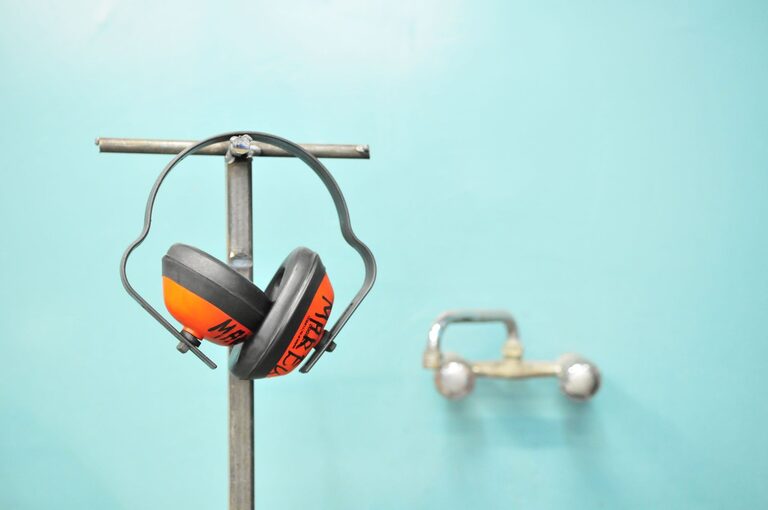
Creating a quiet and peaceful home environment can greatly enhance your comfort and well-being. Whether you live in a busy city, a noisy neighborhood, or simply want to minimize everyday sounds from appliances and activities, reducing noise at home is achievable with some simple steps. This guide offers practical, affordable ways to reduce unwanted noise and enjoy a calmer living space.
Understanding Noise at Home
Before diving into solutions, it’s helpful to understand where noise usually comes from in a home. Common sources include:
– Outdoor sounds such as traffic, neighbors, or construction
– Indoor noise from appliances like washing machines, fans, or HVAC systems
– Voices or footsteps from within the home or adjacent rooms
– Echoes and reverberations caused by hard surfaces
By identifying the main sources of noise in your home, you can choose the most effective strategies to reduce them.
Easy Ways to Reduce Noise Indoors
1. Use Soft Furnishings to Absorb Sound
Hard surfaces like wood floors, bare walls, and windows tend to reflect sound, making rooms echo and amplifying noise. Adding soft materials helps absorb sound waves, reducing overall noise levels.
– Rugs and Carpets: Place thick rugs or carpets in living rooms, bedrooms, and hallways to dampen footsteps and reduce echo.
– Curtains and Drapes: Heavy curtains over windows not only block light but also muffle outdoor noise.
– Upholstered Furniture: Sofas and armchairs with fabric covers absorb sound better than leather or vinyl.
2. Seal Gaps and Cracks
Sound can easily travel through gaps around doors, windows, and walls. Sealing these openings helps keep unwanted noise out.
– Weatherstripping: Apply weatherstripping tape around door frames and windows to close drafty gaps.
– Door Sweeps: Attach door sweeps to the bottom of exterior and interior doors to block sound leakage.
– Caulking: Use caulk to seal small cracks in walls, ceilings, and around window frames.
3. Rearrange Your Furniture
Strategic furniture placement can act as a sound barrier and minimize noise transmission.
– Place bookcases or shelves filled with books against walls shared with noisy areas.
– Use large pieces of furniture to block sound paths from noisy rooms to quieter spaces.
4. Add Acoustic Panels or Wall Hangings
For a more focused approach, consider adding sound-absorbing panels or decorative wall hangings.
– Acoustic panels made from foam or fabric can be mounted on walls to reduce echo.
– Thick tapestries or quilts hung on walls also help absorb sound while adding visual interest.
5. Use White Noise Machines or Fans
Sometimes complete silence is difficult to achieve, especially in noisy environments. White noise machines or fans can mask annoying background sounds by producing a consistent, soothing sound.
– These devices are especially helpful in bedrooms to improve sleep quality.
– You can also use smartphone apps that generate white noise or nature sounds.
Addressing Noise from Outside
1. Invest in Double-Glazed Windows
Double-glazed or acoustic windows have two layers of glass with an air gap in between, which significantly reduces outdoor noise penetration. While this may be a larger investment, it can greatly improve your home’s quietness.
2. Create a Green Buffer
Planting shrubs, trees, or installing trellises with climbing plants near windows or along property lines can help absorb and block outdoor noise.
3. Use Outdoor Barriers
Fencing or walls can reduce noise from streets or neighbors. Solid fences made from wood or masonry work best at blocking sound.
Managing Noise from Appliances and Electronics
1. Maintain and Upgrade Appliances
Noisy appliances can often be quieter with proper maintenance.
– Clean and lubricate moving parts regularly.
– Replace old machines with newer, quieter models.
2. Isolate Vibration Noise
Placing rubber pads or mats under washing machines, dishwashers, or speakers can reduce vibrations that create noise.
Tips for a Quieter Home Environment
– Encourage family members to use headphones for music and TV when appropriate.
– Establish quiet hours, especially during early mornings and late evenings.
– Use door closes slowly to avoid slamming noises.
– Keep doors to noisy rooms closed when not in use.
Final Thoughts
Reducing noise at home doesn’t have to involve expensive renovations or complicated solutions. By using soft furnishings, sealing gaps, rearranging furniture, and adding simple sound-absorbing elements, you can create a more peaceful environment. For persistent or outdoor noise issues, investing in double-glazed windows or outdoor barriers can make a significant difference. Combining these strategies will help you enjoy a quieter, more relaxing home.
Remember, a little effort can go a long way in creating the calm and comfort you deserve. Start with small changes and see how peaceful your space can become!