

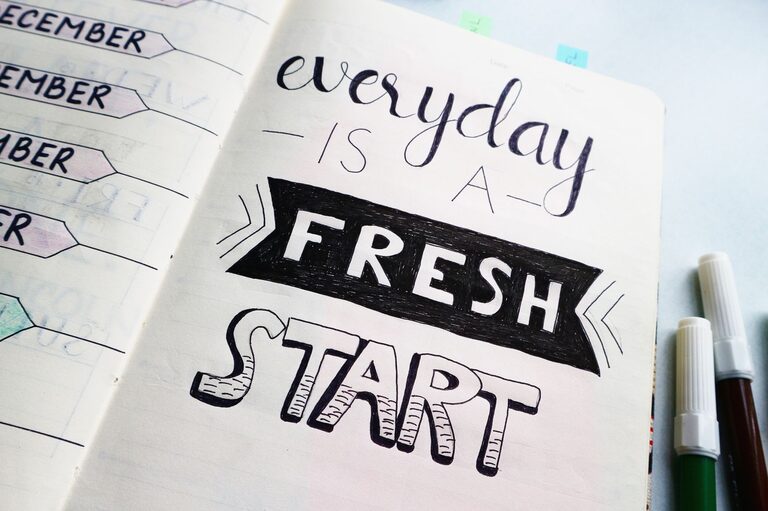
Creativity is not just for artists or writers—it’s a skill anyone can develop and enjoy. Incorporating creative habits into your daily routine can enhance problem-solving, improve mood, and add more joy to everyday life. The good news is that practicing creativity doesn’t require special equipment or a huge time commitment. Here are some simple and effective ways to spark your creative side every day.
Why Practice Creativity Daily?
Creativity thrives with regular use. Just like any muscle, the more you exercise it, the stronger it becomes. When you engage in creative activities daily, you:
– Enhance your ability to think outside the box
– Improve mental flexibility and adaptability
– Boost confidence in tackling challenges
– Reduce stress by expressing yourself
With these benefits in mind, let’s explore ways to make creativity part of your daily routine.
1. Keep a Creativity Journal
Writing regularly helps you capture ideas and reflect on your thoughts.
– Set aside 5 minutes each morning or evening to jot down thoughts, ideas, or doodles.
– Don’t worry about grammar or style—focus on free expression.
– Use prompts like “What inspired me today?” or “One problem I want to solve creatively.”
Over time, this journal can become a treasure trove of ideas and inspiration.
2. Try Morning Pages
Made popular by Julia Cameron in The Artist’s Way, morning pages involve writing three pages of stream-of-consciousness thoughts every morning.
– This clears mental clutter, making space for new ideas.
– It encourages honesty and self-awareness.
– Even if you don’t write three pages, starting with a short entry builds a consistent habit.
3. Explore New Perspectives
Creativity often comes from seeing something familiar in a new way.
– Take a different route to work or school.
– Observe your surroundings with fresh eyes, noticing colors, shapes, and textures.
– Ask “What if?” questions about everyday objects or situations.
This habit challenges your brain to make new connections.
4. Practice Mindfulness and Observation
Being present helps you notice details you might otherwise miss.
– Spend a few minutes a day observing nature, people, or your environment.
– Try focusing on one sense at a time—listen carefully, pay attention to smells, or touch objects mindfully.
– This sharpens your awareness and fuels creative thinking.
5. Use Creative Prompts
Prompts are great tools to spark ideas and get started.
– Find prompts online or in books related to writing, drawing, or other crafts.
– For example, draw an object using only circles or write a short story starting with “It all began when…”
– Set a timer for 10 minutes to keep it fun and pressure-free.
Prompts can help overcome creative blocks and inspire experimentation.
6. Limit Your Tools
Sometimes constraints boost creativity.
– Try working with only a few colors, words, or materials.
– Challenge yourself to create something without planning too much.
– Setting limits encourages problem-solving and innovation.
7. Make Time for Play
Play isn’t just for kids—adults benefit from it too!
– Engage in playful activities like puzzles, games, or improvisation.
– Allow yourself to experiment and make mistakes without judgment.
– Playful experiences stimulate creative thinking and reduce stress.
8. Collaborate with Others
Sharing ideas can open new doors.
– Discuss creative projects with friends or colleagues.
– Join local or online groups focused on artistic or creative hobbies.
– Collaborations introduce diverse perspectives and motivate you to try new approaches.
9. Take Breaks to Refresh
Step away from your work periodically.
– Short breaks help prevent burnout and keep your mind sharp.
– Try a quick walk, stretching, or simply looking out a window.
– Often, great ideas come when you least expect them.
10. Keep Learning
Trying new skills broadens your creative toolkit.
– Take online classes in art, music, writing, or crafting.
– Watch tutorials or read about different creative techniques.
– Learning sparks curiosity and can inspire cross-disciplinary ideas.
Final Thoughts
Incorporating creativity into your daily life doesn’t need to be complicated or time-consuming. By adopting simple habits like journaling, observing your surroundings, and allowing time for play, you can nurture your creative abilities every day. Start small, be patient with yourself, and enjoy the process of discovery. Creativity is a journey—one that makes life richer and more fulfilling.